
The World Cup Was Built for the Working Class: Now FIFA Is Pricing Them Out

Jesse M. Cox Published 31/05/2026

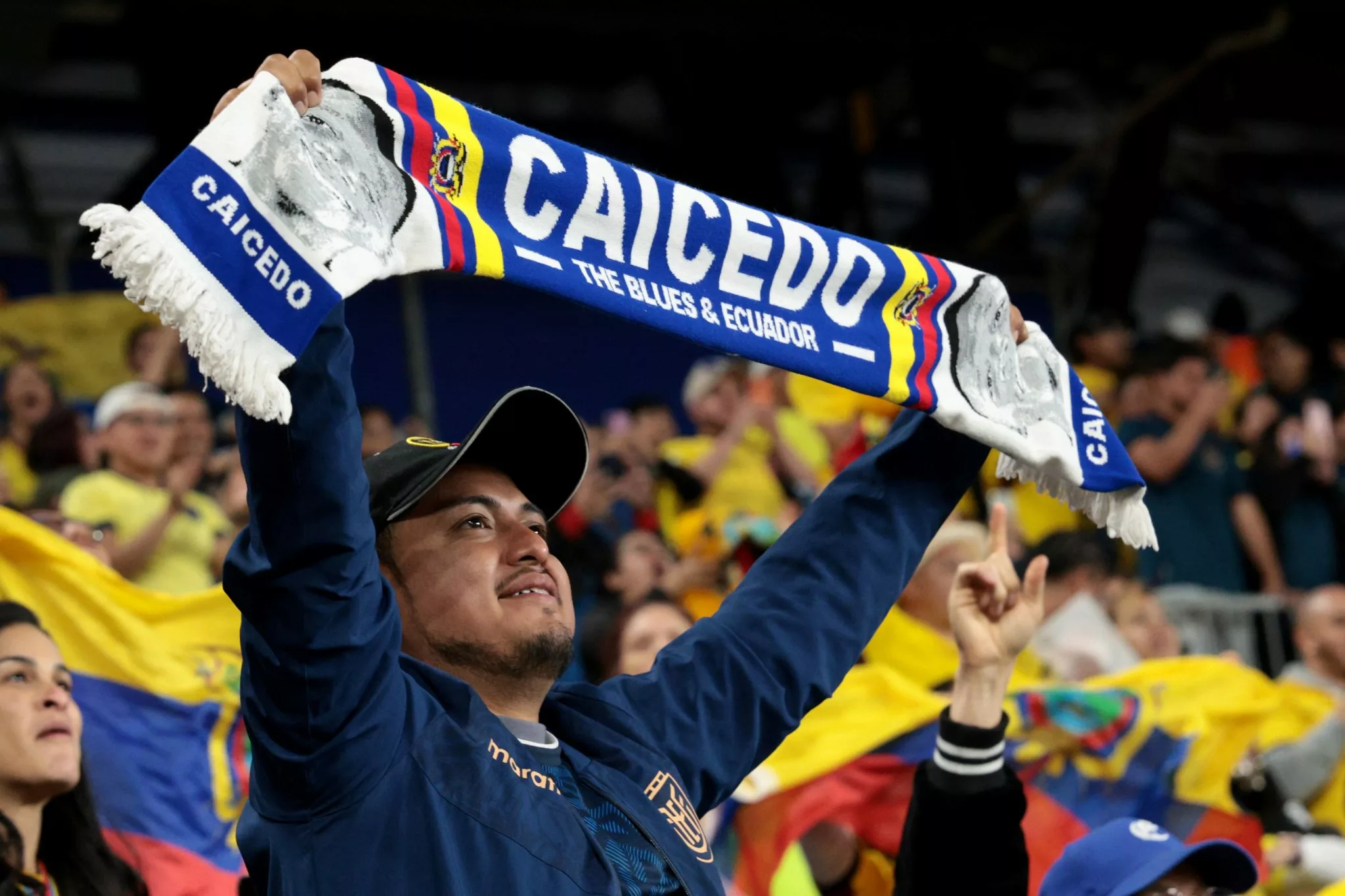
For generations, the FIFA World Cup has been the tournament of the people.
It was the event where factory workers, construction laborers, teachers, firefighters, and everyday families could save money for four years and make the trip of a lifetime to support their country. The atmosphere that made the World Cup special was created by passionate supporters who traveled across continents carrying flags, singing songs, and creating memories that lasted forever.
Now, FIFA seems determined to replace those supporters with corporate clients, celebrities, and wealthy tourists.
The biggest issue is dynamic pricing.
FIFA has embraced the same ticket-pricing model that has already damaged concerts, playoff games, and major sporting events across North America. Instead of offering fans a fixed price and equal opportunity to attend, ticket prices fluctuate based on demand. In simple terms, the more people want a ticket, the more FIFA charges. What was once a sporting event has become a stock market.
The result has been predictable and infuriating.
Many World Cup tickets that were expected to be relatively affordable have skyrocketed into the hundreds and even thousands of dollars. Fans have reported prices far beyond what average families can afford, especially when travel, hotels, food, and transportation are added to the equation. Some supporters have found themselves completely priced out of attending the biggest sporting event on earth.
The backlash has become so severe that attorneys general in New York and New Jersey have launched investigations into FIFA's ticketing practices. Those investigations are examining allegations of manipulated pricing, artificial scarcity, and misleading information regarding seating locations. When government officials are investigating the way tickets are being sold, it is a sign that something has gone terribly wrong.
What makes this especially disappointing is that soccer has always prided itself on being different.
Unlike many American professional sports, soccer's culture has traditionally been rooted in local communities. The atmosphere comes from supporters' sections, not luxury suites. The heart of the game has always been the fans standing shoulder-to-shoulder, singing for ninety minutes regardless of the score.
Those are exactly the people being pushed aside.
FIFA defends the pricing model by claiming it reflects market demand and generates additional revenue for the sport. The organization argues that higher revenues will eventually benefit football development worldwide. That may sound good in a boardroom presentation, but it ignores a simple reality: without supporters, there is no World Cup atmosphere.
Nobody remembers a World Cup because wealthy executives sat in climate-controlled hospitality suites.
People remember the Brazilian supporters dancing in the streets. They remember the English fans singing through victories and defeats. They remember the Mexican supporters turning stadiums into home matches thousands of miles from home.
Those are the people who created the World Cup's identity.
The situation becomes even worse when you consider the total cost of attending. Ticket prices are only the beginning. Hotel costs in many host cities have surged, short-term rental prices have climbed, and transportation expenses continue to rise. For many working-class fans, attending a World Cup match now requires several thousand dollars before even purchasing merchandise or food.
The irony is that FIFA frequently speaks about growing the game and making soccer accessible to everyone. Yet its ticketing policies are doing the exact opposite. Instead of making the tournament more inclusive, they are creating barriers that separate ordinary supporters from the sport they helped build.
The World Cup should never become an event where the average fan is forced to watch from home while corporations buy blocks of seats and hospitality packages.
Sports are supposed to bring people together, not divide them based on income.
The greatest World Cup in history would not be the one that generates the most revenue. It would be the one where every supporter, regardless of financial status, has a realistic chance to attend and experience the magic in person.
Soccer belongs to the people.
The World Cup belongs to the people.
And if FIFA continues down this path of dynamic pricing and endless profit-seeking, it risks forgetting exactly who made the tournament the greatest sporting event in the world in the first place.