
Tennessee Files Appeal in Legal Battle With Kalshi

David Genge Published 05/06/2026

Tennessee Attorney General Jonathan Skrmetti is not someone who takes defeat in stride. Undaunted by a February court setback in the state's battle with prediction market site Kalshi, Skrmetti is asking a federal appeals court to let the state keep regulating sports betting tied to the prediction market company.
Skrmetti's office argues that Kalshi's sports event contract offerings are no different from the sports betting lines offered by sportsbooks like DraftKings, FanDuel, and BetMGM. Thus, Skrmetti believes that under state law, Tennessee should be able to regulate the sports event contracts in the same manner as sports betting.
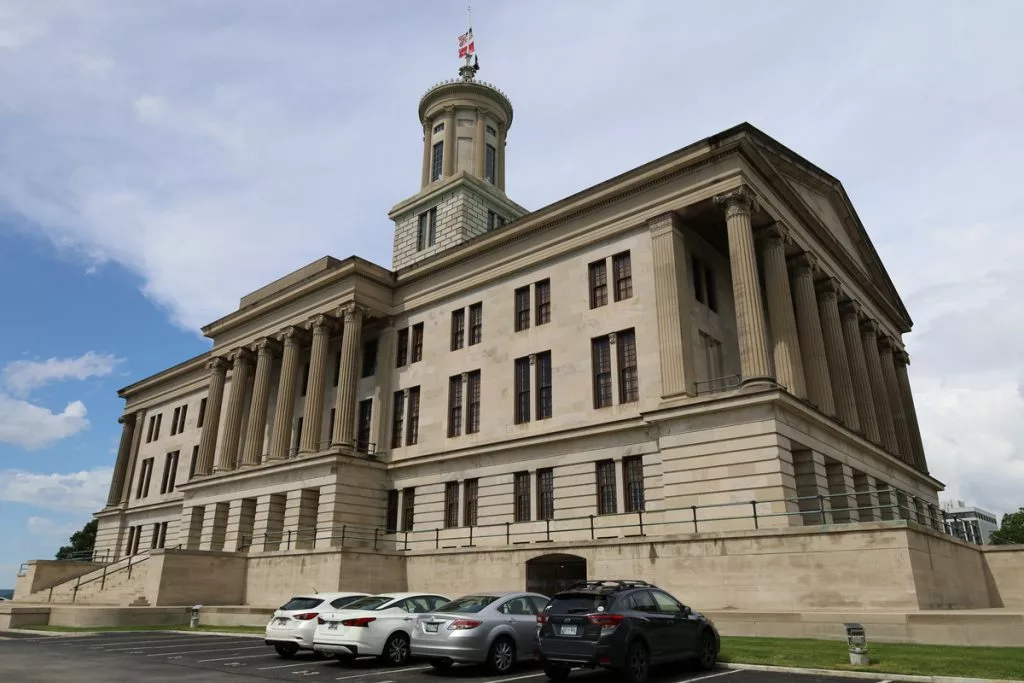
Tennessee files an appeal of a prior ruling that went in Kalshi's favor
Skrmetti's office made the argument that sports event contracts and sports betting are the same in a filing with the U.S. Court of Appeals for the Sixth Circuit. Lawyers representing Kalshi are disputing this notion. They claim that the prediction market company is offering federally regulated financial products known as “swaps,” which would place these trades under the authority of the Commodity Futures Trading Commission (CFTC), and not state gambling regulators.
Naturally, Skrmetti is not buying that description of Kalshi sports event contracts.
“Kalshi can call their bets ‘swaps’ all they want, but everyone who so much as glances at the platform understands that this is sports gambling,” Skrmetti said in a statement announcing the appeal.
“Tennessee has laws governing wagering on sports - laws that Kalshi is desperately trying to avoid - that ensure sportsbooks provide protections for problem gamblers, pay taxes to support our education system, and provide a fair and transparent service to users.”
The state of Tennessee rejects the notion that the Dodd-Frank swap rules enable Kalshi to offer sports event contracts. Tennessee argues that these rules were Congress’s response to the 2008 financial crisis. They were designed to regulate complex financial instruments that banks and large institutions use to hedge against financial risk. They were not created to govern sports wagering.
"Kalshi’s products bear no resemblance to those instruments, and stretching the word 'swap' to cover sports bets would render large portions of the statute meaningless," reads Skrmetti's statement.
Kalshi won a temporary injunction in February
Federal Judge Aleta Trauger granted Kalshi a temporary restraining order against the state of Tennessee in January of this year. Trauger's ruling prevented the Tennessee Sports Wagering Council and state attorney general Skrmetti from enforcing state gaming and sports wagering laws against Kalshi.
In her brief order, Judge Trauger wrote that Kalshi was likely to succeed on the merits of its claims. The following month, Trauger granted Kalshi a longer-lasting preliminary injunction.
Skrmetti is hopeful of overturning this decision on appeal.
"It's a clever theory," Skrmetti wrote in his brief in filing his appeal. "But word games can't absolve Kalshi of its obligation to follow Tennessee law.
"Sports event contracts are sports wagering, and everyone who sees them knows it."
This was a rare victory for the prediction market sites
In several states across the USA, there are ongoing court battles over this issue. On one side of the ledger are state governments and state gambling regulators. Competing against them are the prediction market sites and the CFTC.
In the majority of cases in which judges have made a ruling, the decision goes against the prediction market sites. That's why they are clinging to this Tennessee ruling with so much hope.