
Former CFTC Chairman Says Sports Event Contracts Are Not Swaps
Mike Goodpaster Published 23/06/2026

Gary Gensler served five years as Chairman of the Commodities Futures Trading Commission. He was instrumental in creating the legislation that has led to the development and rapid growth of prediction market sites across the USA. The CFTC insists that trading around the outcomes of sports events on prediction markets are swaps that comes under its jurisdiction. Gensler, however, begs to differ.
He considers that all sports-event contracts on prediction market sites are, in fact, sports bets, and they should be regulated as such by the states. Gensler doesn't believe that sports-event contracts fit the statutory definition of a swap.
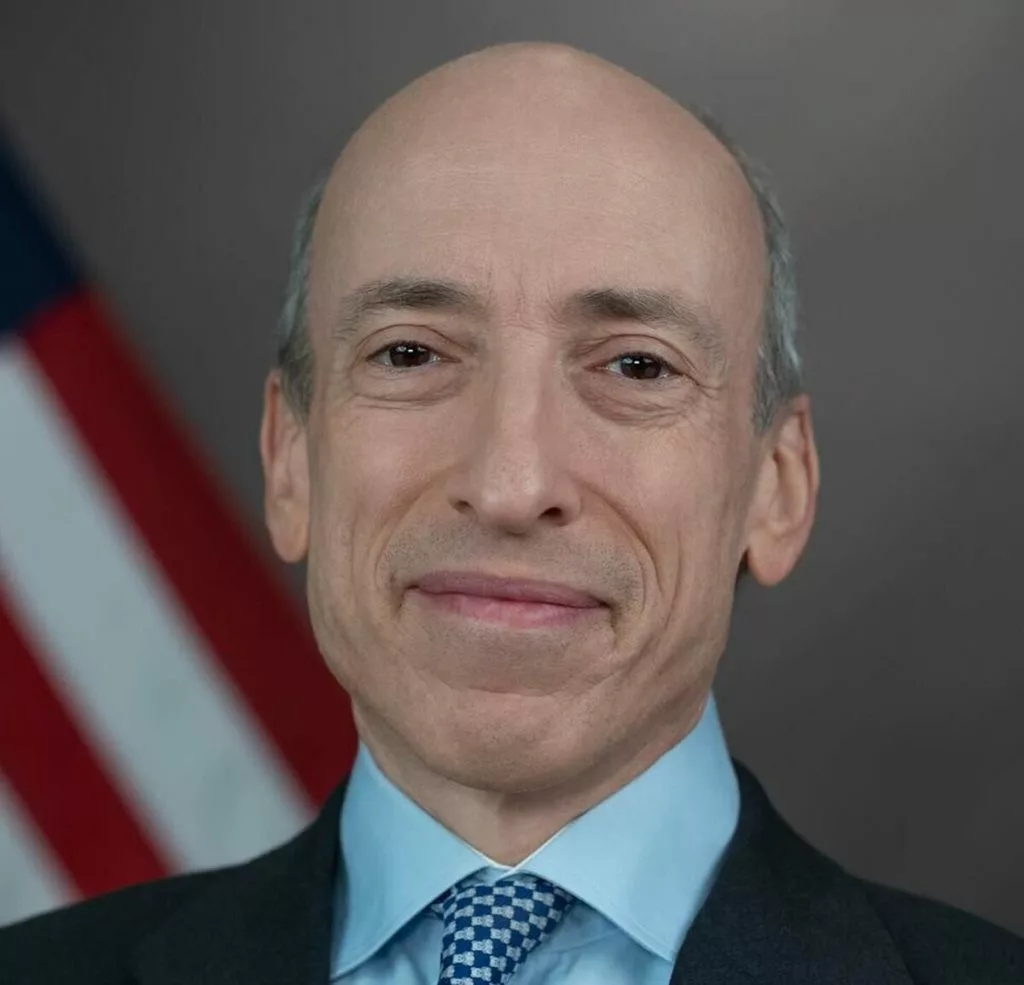
Gensler helped the CFTC create the Dodd-Frank Act
Gensler served as the 33rd Chair of the U.S. Securities and Exchange Commission from April 17, 2021, through January 20, 2025. His nomination came from President Joe Biden, with confirmation by the U.S. Senate.
Before that, Gensler was Chairman of the CFTC from 2009 to 2014, leading the Obama Administration’s reform of the $400 trillion swaps market. He was one of the people responsible for helping to write the 2010 Dodd-Frank Act. This legislation is the basis for what prediction market sites and the CFTC argue separates sports-event contracts from sports betting.
Interestingly, Gensler isn't sharing the current CFTC viewpoint. He doesn't see how sports-event contracts fit into the classification of swaps. Therefore, states should definitely be viewing them as sports betting.
“Congress did not include sports betting contracts within the statutory Dodd-Frank definition of swap," Gensler told Bloomberg News. "Such contracts do not fit the CEA’s purpose or the statutory language defining swap, which focus on hedging economic risk.
"Sports bets are very rarely, if ever, about hedging.”
Gensler believes that both the CFTC and the prediction market sites are playing fast and loose with the language of Dodd-Frank. They are performing some serious verbal gymnastics while seeking to include sports-event contracts as swaps.
“To see somebody trying to kind of tuck into that whole thing, wow, the Commodity Futures Trading Commission was given exclusive jurisdiction and preempts the states for sports betting," Gensler said. "Nothing could be further from what we were working on."
Former CFTC leader is supporting Ohio in its legal battle against Kalshi
Gensler filed an Amicus Brief in support of Ohio's legal case against prediction market site Kalshi. Ohio is arguing that Kalshi's sports-event contracts should be classified as sports betting. It believes that regulation of these contracts should be taking place at the state level.
Gensler's brief backs that argument.
"The CFTC now posits hedging theories for some sports bets that are at best only tenuously connected to reliable hedges of commercial risks," Gensler wrote in his brief. "That connection, however, is crucial, as Congress included only those event contracts that hedge risks in a manner similar to a swap and are sufficiently 'associated with a potential financial, economic, or commercial consequence."
Selig is countering Gensler's argument
Naturally, Michael Selig, who is currently filling Gensler's old role as CFTC Chairman, isn't in agreement with the man who once sat in his chair. He's taking a position countering Gensler's argument.
“The federal district court in Ohio took an improperly narrow view of the Commission’s jurisdiction, and we are asking the Court of Appeals to correct that error,” Selig said in a press release. “As I’ve said repeatedly, the CFTC will not allow overzealous state governments to undermine the agency’s longstanding authority over these markets.”