
Kalshi Investigating Suspicious Trades on President's Press Secretary

Mike Goodpaster Published 15/10/2026

Prediction market site Kalshi is investigating suspicious trades related to the selection of President Trump's new press secretary. Katie Zacharia was announced as U.S. President Donald Trump's new White House press secretary on October 9. There were three small trades choosing her on this market on Kalshi. One was made late in the day on October 8, and the other two were placed on October 9. All netted thousands of dollars in profit for the bettors. Zacharia was a significant longshot to earn the role. She was given a 1% chance of being named to the position.
Earlier this year, President Trump's former teleprompter was fined after Kalshi flagged insider trading relating to the President's speeches.
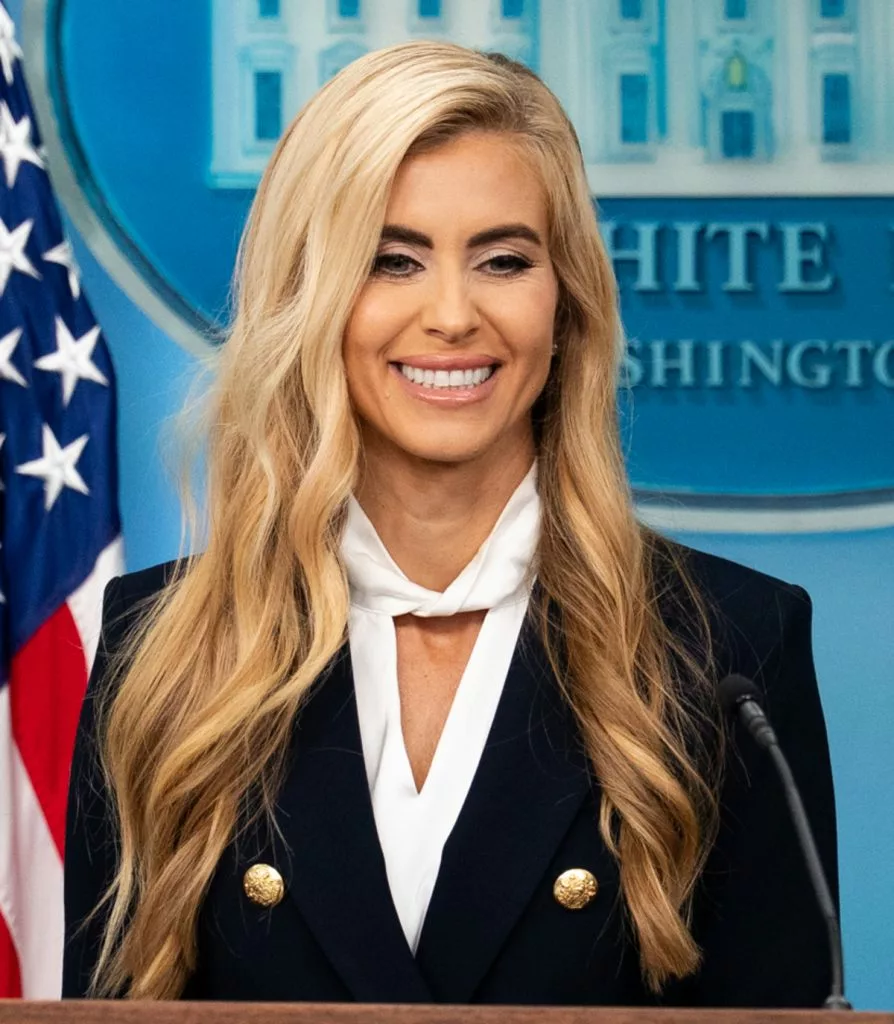
Kalshi notes that these small wagers were significantly profitable
While the size of the trades on Zacharia's selection wasn't a big bet, the return on the plays was significant. That's what was raising red flags in Kalshi's eyes.
According to reporting by the Wall Street Journal and Reuters, the first suspicious bet was a $19 play late in the day at 10:43 p.m. on October 8. That was one day before Zacharia was named White House press secretary. A win on that trade earned $1,896. Another wager of $74 was placed on October 9, the day of the announcement. It returned $3,689. A second play made on October 9 of $80 produced a payout of $4,023. Both of those trades took place at approximately 1:41 p.m.
That was about 20 minutes before major media outlets began reporting that Zacharia was Trump's pick to replace Karoline Leavitt as White House press secretary. It wasn't long after that when Trump officially confirmed Zacharia as his pick on his Truth Social account.
Before being named White House press secretary, Zacharia was working as a conservative commentator. She was also briefly employed by the Department of Homeland Security. Zacharia was given a 1% chance of becoming White House press secretary in trading on Kalshi.
Knowable markets are more susceptible to insider trading
Trades dealing with the next White House press secretary were taking place on what are referred to in the prediction market world as "knowable markets." These trades are considered to offer more potential for insider trading to occur. That's because unlike a sporting event or an election, the outcome of these trades can be known in advance.
A recent watchdog report published by the nonpartisan Anti-Corruption Data Collective found that what it describes as super-specific “knowable” markets relating to next month's 2026 midterm elections have seen in excess of $20 million in trading volume.
“Insider information is often timely,” Michelle Kendler-Kretsch, a researcher at the Anti-Corruption Data Collective, told CNN. “There’s a small window someone can bet. Not every American has $10,000 in a bank account that they can put on Kalshi within a few hours before the prices change.”
Kalshi identified insider trading of President Trump's former teleprompter
Gabriel Perez, Trump's former teleprompter, was ordered to pay $172,000 in fines by the Commodity Futures Trading Commission (CFTC), the federal regulator for prediction market sites. A Kalshi surveillance investigation found that the White House staffer was engaging in prohibited trading activity.
Kalshi reported its findings to the CFTC, which issued the fines following an investigation. Perez was making trades on Trump's speeches, basing them on the information he was learning while inputting those speeches into the teleprompter.
Perez was ordered to pay back the $107,539.02 in profits he made from the trades on Kalshi. The CFTC was also issuing him a civil penalty of $65,000.
The CFTC was also banning Perez from trading on any prediction market site for three years.