
Leader of NCAA Point-Shaving Scandal Sentenced to Six Years in Prison

Mike Goodpaster Published 14/10/2026

Jalen Smith, the leader and organizer of an NCAA basketball point-shaving scheme, was sentenced to six years in prison for his part in the scheme. In March, Smith pleaded guilty to one count each of bribery in sporting contests, conspiracy to commit wire fraud, wire fraud, and possession of a firearm by a felon.
Smith, 30, of Charlotte, North Carolina, was sentenced to 72 months in prison, three years of supervised release, restitution of approximately $1.1 million, and forfeiture of $75,000 by United States District Judge Nitza I. Quiñones Alejandro. The overall scheme to influence or fix CBA and NCAA men’s basketball games covered nearly three years.
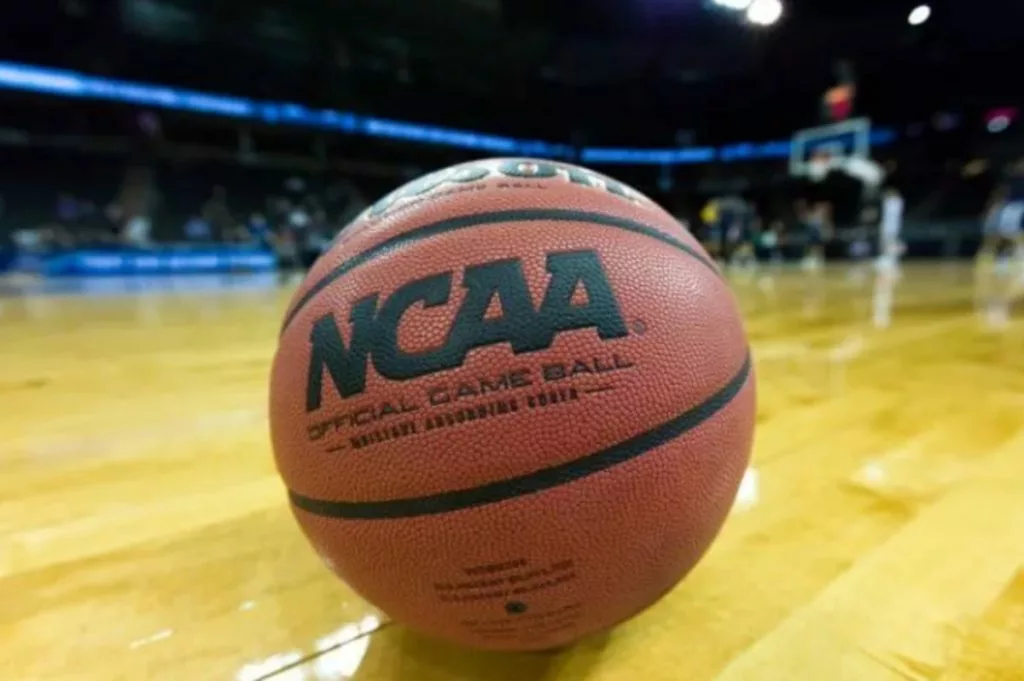
Smith played a central role in an NCAA basketball point-shaving scheme
Court filings revealed that the overall scheme to influence or fix Chinese Basketball Association (CBA) and NCAA men’s basketball games lasted from approximately September 2022 to February 2025. After co-schemers profited from fixed CBA games, they turned their attention to influencing NCAA men’s basketball games.
Jalen Smith was a “fixer” in the scheme. He was working together with others to recruit and bribe NCAA men’s basketball players to underperform. They were to help ensure their team failed to cover the spread in games during the 2023-24 and 2024-25 NCAA men’s basketball seasons.
“Jalen Smith played a central role in this point-shaving scheme, which corrupted the integrity of NCAA games and the sport of basketball itself,” U.S. Attorney David Metcalf said in a statement. “As his prosecution and sentence show, we will not permit the criminal corruption of athletic competition to go unanswered."
Nearly 40 NCAA players were participants in this betting scandal
In total, the bribery and point-shaving scheme involved more than 39 players on over 17 different NCAA Division I men’s basketball teams. They conspired to fix and attempt to fix more than 29 NCAA games. The scheme resulted in more than $3 million in fraudulent wagers placed on these games. There were more than $1.1 million in financial losses to sportsbooks throughout the country.
Smith and other fixers approached and communicated with the players. This took place in person and through social media, text message communications, and cellular telephone calls. They were offering the players bribe payments, usually ranging from $10,000 to $30,000 per game.
Smith and other fixers specifically targeted college players for whom the bribe payments would meaningfully supplement, or exceed, the student-athletes’ legitimate opportunities for “Name-Image-Likeness” compensation. The fixers also generally targeted, in their scheme, players whose teams were underdogs in games. They sought to have them fail to cover the spreads in those games. Many of these players accepted the offers. They agreed to help fix specific games so that the fixers would win their wagers.
Then, through various sportsbooks, Smith helped to arrange for large wagers to be placed on those games. They were betting against the team whose player or players they had bribed to engage in this point-shaving scheme. According to court findings, Smith had a leadership role in the scheme. He was particularly invovled in recruiting, managing, and paying players for their roles in the scheme.
Lawmakers are seeking to keep integrity in all sports
The hope expressed by those who prosecuted this case is that it will serve as a cautionary tale to others thinking of trying a similar scheme.
"Those who exploit professional and collegiate athletes for personal gain will be held accountable,” said Wayne A. Jacobs, Special Agent in Charge of FBI Philadelphia. “This conduct does more than harm individual athletes. It undermines the integrity of sports and the trust placed in fair competition."

Get Up to $1,000 Back in Bonus Bets Over Your First 10 Days


 +9


- 20+ sports available for wagering
- Pre-match and in-play betting
- Unique features like live streaming and boosted odds
Bet $10 Get $200 in Bonus Bets Win or Lose
Find out more on bet365's website
- Over 20 sports
- Extensive betting markets
- Live betting feature

New Users - Get $200 in Bonus Bets when you wager $5 for 4 days
+7


- Deep market coverage across major U.S. sports and leagues
- Same Game Parlay builder is fast and easy to use
- Live betting interface updates quickly with real-time odds