
Lawyers Argue That Banned QBs Gambling Addiction is a Medical Condition

Jesse M. Cox Published 02/06/2026

Lawyers representing Texas Tech Red Raiders quarterback Brendan Sorsby made the argument in court that his gambling addiction is a medical condition and should be treated as such. The NCAA ruled Sorsby ineligible after it was found that he was a compulsive gambler who had bet on his own team while playing at Indiana.
Sorsby's lawyers are seeking his reinstatement because the NCAA should, first and foremost, be considering his well-being. The quarterback's legal team presented its case on Monday during a two-hour hearing in the Lubbock County District Court. Judge Ken Curry is expected to render his decision by mid-June.
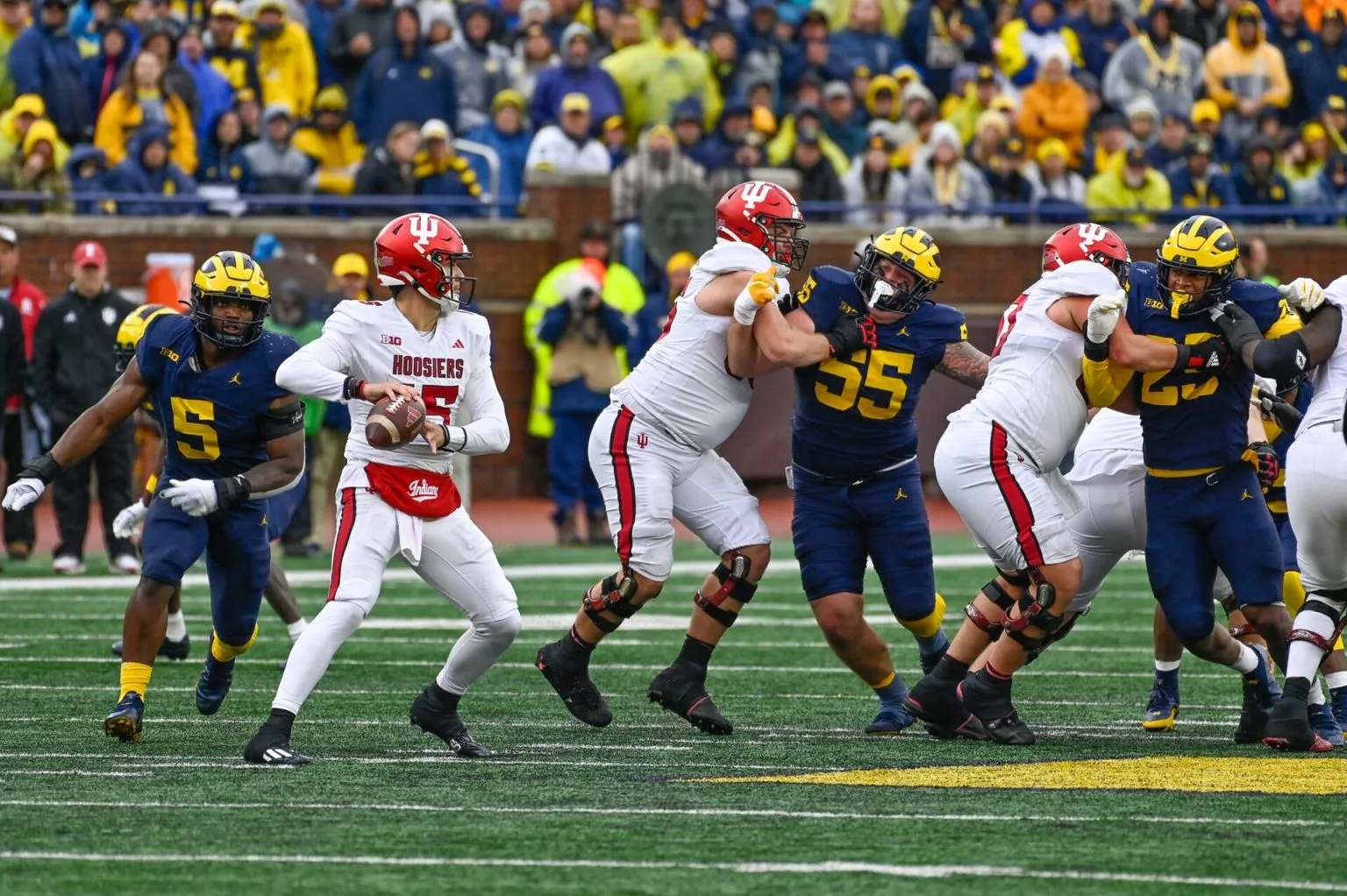
Sorsby's gambling addiction was widespread
No one is questioning that Sorsby is a problem gambler with an addiction. The evidence is overwhelming that this is so.
According to reports from ESPN, Sorsby was placing bets under his own name and through accounts opened by friends. He bet with sportsbooks FanDuel and Hard Rock Bet. Sorsby also played daily fantasy sports through PrizePicks and Underdog. He transferred in excess of $60,000 to two of his friends to cover bets they were making on his behalf.
Especially problematic for Sorsby is the fact that he placed 40+ bets worth more than $1,400 on Indiana football while a quarterback for the Hoosiers in 2022 and 2023. NCAA rules strictly state that student-athletes who wager on their own team face permanent loss of playing eligibility.
Most of the bets Sorsby placed were parlays, ranging in value from $1 to $114. They were among around 300 bets he made on NCAA football while a student-athlete. He also put down at least 50 bets on Indiana basketball. Sorsby also wagered on such things as Romanian soccer and even Nathan's hot dog-eating contest.
Overall, including parlays, Sorsby admits to placing 9,000 wagers. With Indiana, Sorsby acknowledges placing some 2,900 bets worth $30,000. Transferring to Cincinnati, he wagered 165 times with a total value of $38,000. After enrolling at Texas Tech, Sorsby admits to sending $5,000 to friends to make bets for him on pro sports.
Lawyers argue that gambling addiction is a sickness
In April Sorsby spent 35 days completing an in-patient rehab program at Algamus in Goodyear, Arizona, for diagnosed gambling and anxiety disorders. Arguing that this is evidence that their client is suffering from a sickness, lawyers representing Sorsby are seeking a temporary injunction permitting him to play college football in 2026. The NCAA ruled Sorsby ineligible. They also denied his request for reinstatement.
Jeffrey Kessler, Sorsby's lead attorney, insists that Sorsby's problem gambling needs to be treated as a mental health and addiction issue. He argues that the NCAA should be offering Sorsby support rather than meting out punishment.
Countering that argument, NCAA attorney Taylor Askew said that the organization did consider Sorsby's mental health. However, in the process of deeming him permanently ineligible, the NCAA determined that those challenges did not excuse his gambling or the consequences of his actions.
A decision on Sorsby's future is anticipated by mid-June
Ken Curry, a retired judge from Tarrant County, will be ruling on this case. Curry made a request for additional documentation. He is expected to render his decision by mid-June.
Sorsby's attorneys have requested that a decision be made by June 15. That would provide Sorsby with time to decide whether he'll be entering the June 22 NFL supplemental draft
Sorsby was an All-Big 12 Conference selection last season at Cincinnati. ESPN rates Sorsby as the top QB prospect for the 2027 NFL draft.
Up To $1500 in Bonus Bets Paid Back if your First Bet Does Not Win Bet $10 Get $200 in Bonus Bets Win or Lose Find out more on bet365's website New Users – Get $350 in Bonus Bets when you wager $5 for 7 days


 +9
+9


 +6
+6

