
Super Bowl LX EV Breakdown: Patriots vs. Seahawks
David Genge Published 06/02/2026

Why Seattle -6.5 (+118) Is the Right Side
Super Bowl Sunday is unlike any other moment on the NFL calendar. It is not just the culmination of a season, but the ultimate stress test — where every schematic weakness is exposed, every coaching tendency is magnified, and every quarterback decision carries championship-level consequences. At this stage, depth charts matter less than clarity, and betting edges are found not in hype but in game-script reality.

Super Bowl LX presents a classic contrast:
-
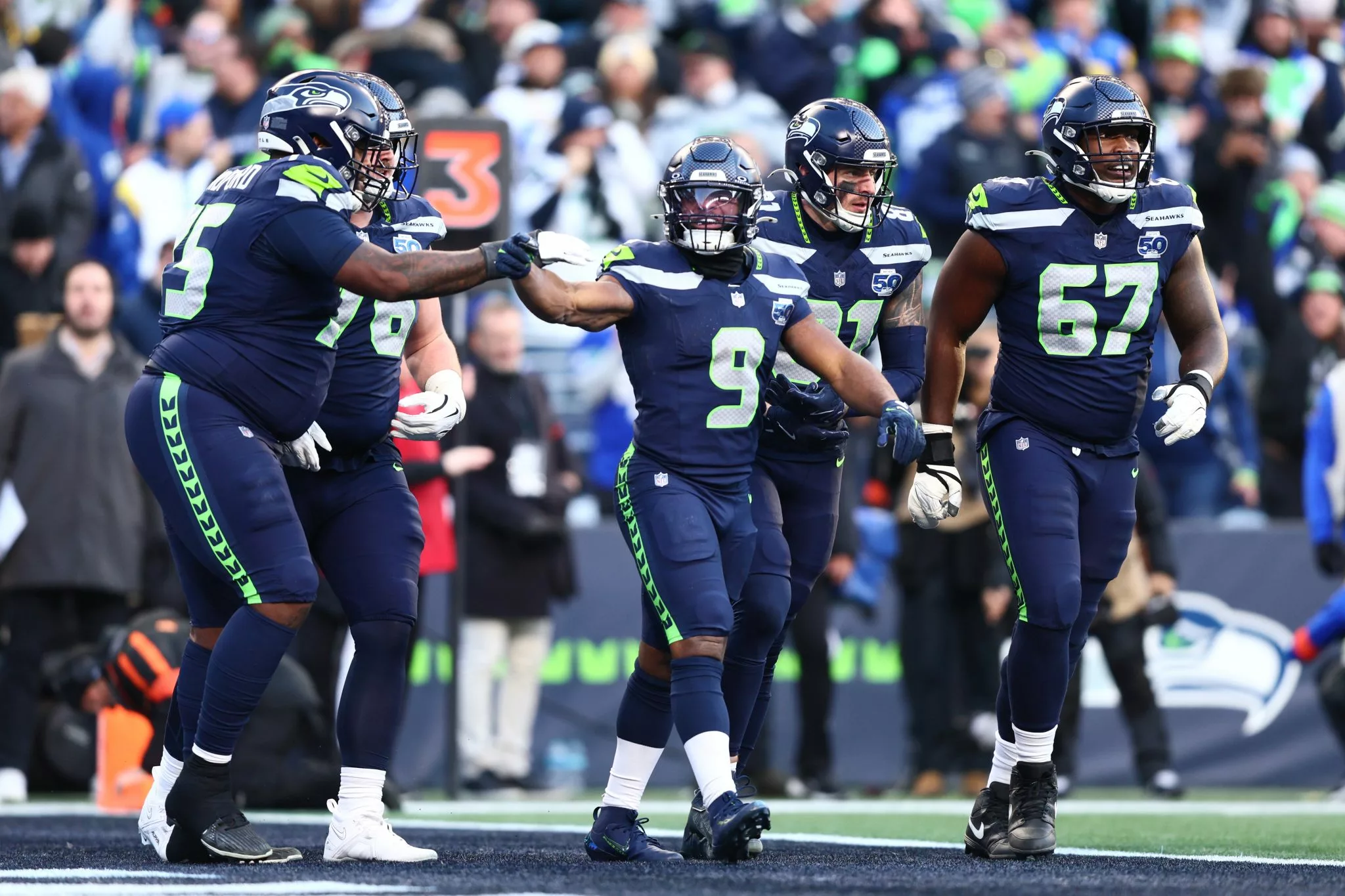
A Seattle Seahawks team peaking at the right time, built on balance, speed, and offensive flexibility
-
A New England Patriots team that has survived on discipline and defense, but now faces its most difficult matchup of the season
This is also the point where EV-based betting becomes essential, not optional. The public tends to overvalue Super Bowl narratives and undervalue matchup strain. Using betting.net™ PRO, this game presents a clear inefficiency — one that favors Seattle decisively.
Super Bowl LX: Seattle Seahawks vs. New England Patriots
Best Bet: Seahawks -6.5 (+118) Prediction: Seattle controls tempo, wins the efficiency battle, and pulls away in the second half.

Up To $1500 in Bonus Bets Paid Back if your First Bet Does Not Win
Why This Matchup Tilts Toward Seattle
This Super Bowl is not about legacy or branding. It is about stress points, and Seattle applies pressure in places New England is least equipped to absorb it.
1. Seattle’s Offense Forces Defensive Honesty
Seattle’s offense is built to punish predictability. They can win:
-
On the ground with explosive backs and misdirection
-
Through the air with timing routes, play-action, and vertical stress
-
With tempo variation that prevents defenses from settling
That versatility matters against a Patriots defense that thrives when it can dictate terms. New England is at its best when opponents become one-dimensional or overly cautious. Seattle is neither.
The Seahawks consistently force defenses into uncomfortable personnel decisions. Stay heavy, and Seattle spreads you out. Go light, and they punish you physically. Over the course of four quarters, that balance wears down even elite defenses — especially in a Super Bowl environment where substitutions are harder to manage and fatigue becomes a factor.
2. The Patriots’ Defensive Strength Is Being Asked to Do Too Much
New England’s defense has carried them through much of the postseason, but Super Bowl LX asks them to defend every blade of grass.
Seattle’s ability to stretch the field horizontally and vertically prevents New England from leaning fully into its disguise-heavy identity. When the Patriots are forced to play honestly, their margin for error shrinks.
This isn’t a criticism of New England’s defense — it’s a recognition of volume. Seattle will generate:
-
More total plays
-
More red-zone trips
-
More stress snaps late in halves
Eventually, that pressure converts into points.
3. The Quarterback Edge Is Subtle — But Real
This game is not about quarterback flash; it’s about decision-making under sustained pressure.
Seattle’s quarterback is operating within a system that:
-
Simplifies reads through motion
-
Creates defined throwing lanes
-
Builds answers into every play call
New England’s offense, by contrast, relies heavily on precision and timing. Against Seattle’s speed and pass rush, that precision becomes harder to maintain over 60 minutes.
Even without turnovers, stalled drives matter. Field position matters. Short fields matter. Seattle is far more likely to capitalize when those opportunities arise.
Game Script Projection: How Seattle Covers
Expect the first quarter to be competitive. New England will lean on structure, shorten the game, and try to avoid early mistakes. That approach can keep things close early — but it limits comeback potential.
As the game progresses:
-
Seattle’s run-pass balance begins to open throwing windows
-
New England’s defensive rotations become less deceptive
-
The Patriots’ offense is forced into longer third downs
The second half is where the separation occurs.
Seattle has been one of the best teams in football at closing games — not by playing conservatively, but by continuing to attack favorable matchups. That aggression is exactly what forces late covers.
A 10-point win is a very realistic outcome. A 7-point margin is well within reach. At +118 odds, Seahawks -6.5 offers both value and clarity.
Betting Value: Why +118 Matters
The Super Bowl market is notoriously tight, which makes plus-money spreads rare for favorites with legitimate matchup edges.
Seattle -6.5 at +118 reflects:
-
Slight public hesitation
-
Narrative-driven resistance
-
Underestimation of second-half efficiency gaps
But the underlying numbers tell a different story. Seattle owns the edge in:
-
Offensive adaptability
-
Red-zone efficiency
-
Late-game execution
Those are the categories that decide Super Bowls — and spreads.
Final Prediction
Seattle Seahawks 27 New England Patriots 17
Seattle doesn’t dominate wire-to-wire, but they control the game where it matters most: situational football, tempo, and execution under pressure.
Best Bet: Seahawks -6.5 (+118) This is a disciplined wager backed by matchup reality, not Super Bowl emotion.

EV Same Game Parlay Breakdown: Patriots vs. Seahawks (Super Bowl LX)
This three-leg EV Same Game Parlay is built around correlated outcomes, role certainty, and realistic Super Bowl game script, not long-shot guessing. None of these legs rely on outlier performances. Instead, they work together to reflect how this game is most likely to be played: Seattle controlling balance, sustaining drives, and finishing possessions.
Individually, each leg carries a strong probability. When combined, they produce meaningful plus-money value by stacking high-usage outcomes with a touchdown scorer whose role spikes in high-leverage situations.
Leg 1: Kenneth Walker 70+ Rushing Yards (-136)

This leg serves as the foundation of the parlay.
Seattle’s offensive identity begins with Kenneth Walker. In games where the Seahawks are competitive or playing with a lead, Walker’s workload becomes extremely reliable. The Patriots’ defensive front is disciplined, but not built to dominate against sustained rushing volume over four quarters.
Seventy rushing yards is a modest threshold for a back expected to see 18–22 carries, particularly in a Super Bowl environment where clock control and ball security matter. Even average efficiency gets this home. More importantly, Walker’s success dictates the rest of the game script — opening play-action, forcing defensive adjustments, and keeping Seattle on schedule.
This is the stabilizing leg that allows the parlay to breathe.
Leg 2: Sam Darnold 225+ Passing Yards (-128)
This is not a ceiling bet — it’s a volume and structure bet.
When Kenneth Walker is effective, Sam Darnold’s passing efficiency increases. Seattle’s offense is designed to generate intermediate completions off play-action and motion, not force low-percentage throws. Against New England’s defensive structure, that approach produces steady yardage accumulation rather than explosive spikes.
Darnold does not need a shootout to clear 225 yards. Sustained drives, red-zone opportunities, and second-half passing volume are enough. If Seattle is playing from ahead, New England’s defensive focus on stopping the run only increases the efficiency of the passing game.
This leg directly correlates with Walker’s rushing success — not competes with it.
Leg 3: Jaxon Smith-Njigba Anytime Touchdown (-110)

This is where the EV jumps.
Smith-Njigba has emerged as one of Seattle’s most reliable red-zone weapons, particularly on scripted plays and condensed formations. His ability to separate quickly and uncover in tight spaces makes him a preferred option near the goal line — especially against zone-heavy looks.
Unlike perimeter receivers who rely on contested catches, JSN wins with timing and leverage. That skill set translates exceptionally well in Super Bowl environments, where windows are smaller and defenses prioritize limiting deep shots.
At -110, this price does not fully reflect Smith-Njigba’s touchdown equity relative to his usage. He does not need volume — he needs one clean look inside the 10.
💰 Parlay Payout
Same Game Parlay Odds: +442
$50 bet returns: $221.17 total Net profit: $171.17
Final EV Verdict
This parlay works because all three legs tell the same story.
-
Kenneth Walker controls tempo
-
Sam Darnold benefits from balance and volume
-
Jaxon Smith-Njigba finishes drives
There is no internal conflict between outcomes. Each leg reinforces the others, which is exactly what you want in a Same Game Parlay — especially on the biggest stage of the season.
This is a disciplined EV play, not a Super Bowl lottery ticket. It aligns probability with price and exploits correlation the public often ignores.