
New York Knicks vs. Houston Rockets 02/21/2026 — Odds, Predictions and EV+ Betting Guide
David Genge Published 20/02/2026

The cleanest way to bet Knicks–Rockets isn’t “who’s better?”—it’s where the usage and matchup math creates pricing mistakes.
This game profiles as a classic style clash: New York’s half-court shot creation vs. Houston’s athletic pressure and transition bursts. In a spot like this, EV lives in role clarity—who initiates, who finishes possessions, and which stats are “sticky” regardless of pace (assists, rebounds, FT attempts, and primary usage minutes).
If you’re trying to bet this like a narrative game (“MSG energy,” “young Rockets legs,” etc.), you’ll end up paying public tax. If you bet it like a structure game—touches, matchup leverage, and minute security—you can usually find a few props that are mispriced before the market tightens.

Game Details
- Matchup: Houston Rockets at New York Knicks
- Date: Saturday, February 21, 2026
- Time: 8:30 PM ET
- Location: Madison Square Garden (New York)
- Records: Rockets 32–23 | Knicks 35–21
Top 4 EV+ Prop Bets (Target Lines)
Here are our top 4 prop bets for the upcoming game!
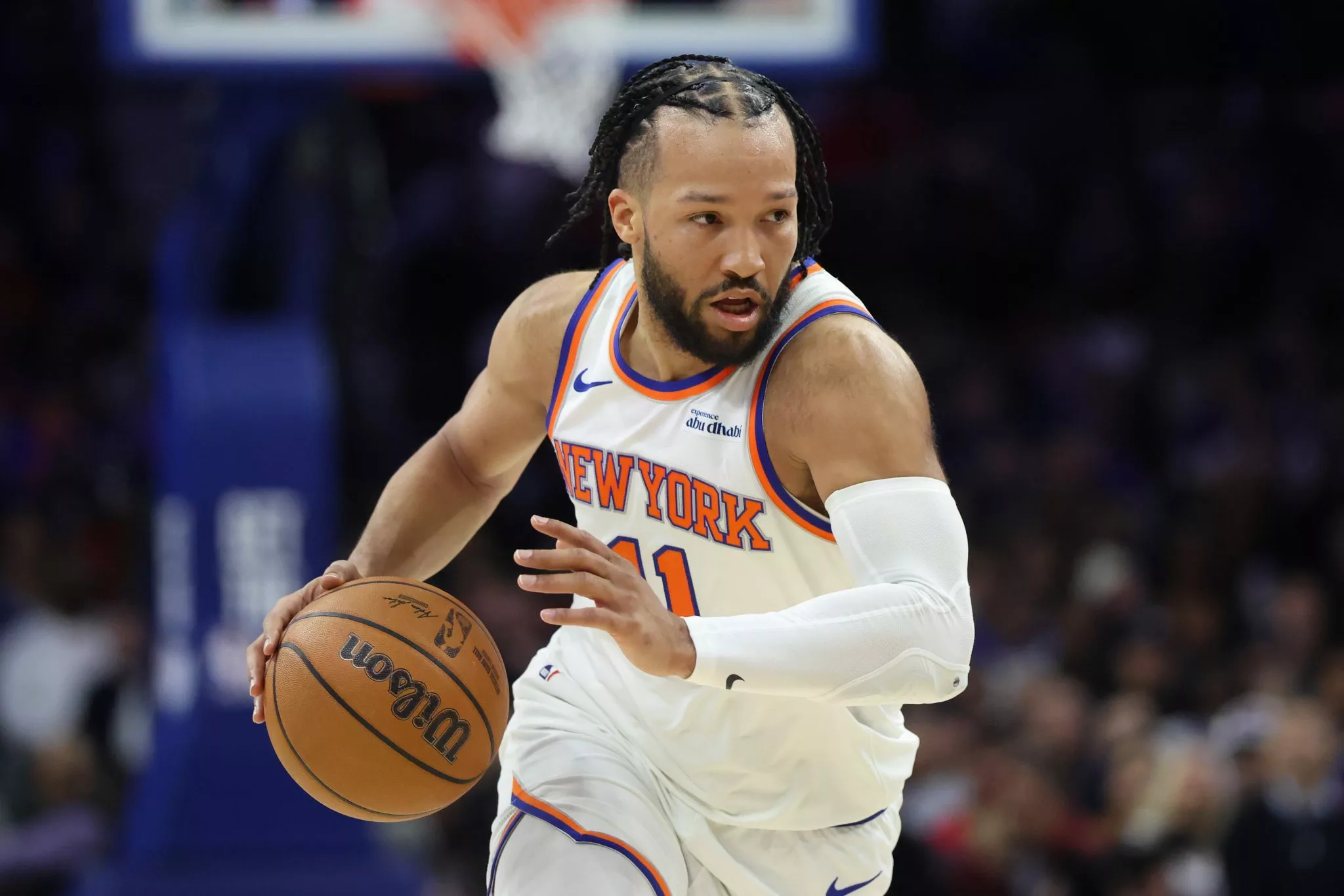
Prop Bet #1: Jalen Brunson Over 6.5 Assists (or better)
Brunson’s season baseline is 6.1 assists per game, which means a 6.5 line is often right on the border—exactly where books shade based on opponent and pace. The EV case is about role certainty: even if Houston pressures the ball, the Knicks respond by putting Brunson into more on-ball reps, not fewer. If Houston sends extra attention late (very common in close games), Brunson’s kick-out assists spike—especially to spot-up shooters and trail threes. This is also a prop that benefits from “close game gravity,” because Brunson’s fourth-quarter possessions are the most scripted on the Knicks roster.
EV trigger: take it if you can get 6.5 at playable juice (or a 5.5 alt if the market goes crazy).
Prop Bet #2: Alperen Şengün Over 5.5 Assists (or better)

Reuters has Şengün at 6.3 assists per game this season—an enormous number for a big, and it tells you exactly how Houston wants to play. The Knicks are typically disciplined, but their defensive success often relies on shrinking space and forcing you into decision-making. That’s exactly where Sengun thrives: short rolls, elbow touches, pivot reads, and hit-ahead passes after a rebound. If New York brings help to keep him off his spots, Sengun’s assist chances rise. And if New York plays him straight up, Houston’s cutters and corner shooters still generate “easy” assists off Sengun’s gravity.
EV trigger: playable at 5.5 (or 4.5 if the market overreacts to a perceived slow pace).
Prop Bet #3: Rockets Team Total Over (Target depends on market)

New DraftKings Customers: Bet $5, Get $200 + 3 Months of NBA League Pass!
This is not a “blind over.” It’s a bet on Houston’s scoring sources being diverse enough to survive MSG half-court stretches. Sengun’s production profile (points + rebounds + assists) signals that Houston can score without needing one guard to go nuclear. The Rockets can manufacture points via:
-
Sengun hub possessions
-
transition after live-ball rebounds
-
second-chance sequences
-
mismatch hunting when Brunson is involved in actions
EV trigger: If the team total posts in a “discount window” (books pricing the Knicks’ defense as a hard cap rather than a tax), that’s when this becomes +EV.
Prop Bet #4: Jalen Brunson Over Points (Target 26.5 or better)
Brunson’s 27.0 points per game is the simplest argument, but the real angle is shot hierarchy. Houston can throw athletes at you, but New York’s late offense still boils down to Brunson creating a paint touch or forcing a switch he can exploit. Even when opponents “win” possessions by making him take tough twos, that can still cash an over because his volume stays intact. Also: if Houston plays the foul game late or if Brunson gets into bonus situations, his scoring prop becomes less dependent on hot shooting.
EV trigger: Best when the line is 26.5 (or when 27.5 is paired with favorable juice versus other books).
Matchup Notes That Actually Matter (for EV)
1) The Brunson Engine
Jalen Brunson’s baseline production is elite and stable: 27.0 PPG and 6.1 APG on the season. That matters because Houston can speed you up, but they can’t erase the Knicks’ late-clock reality: when it’s winning time, Brunson is still the possession-decider. His props tend to be the most “honest,” but there’s often EV in how he gets there (assists/FTs vs pure points).
2) Sengun’s Playmaking Is the Rockets’ Cheat Code
Alperen Şengün isn’t just a scorer—he’s a hub. Reuters notes he’s posting career highs, including 21.4 points, 9.4 rebounds, and 6.3 assists per game this season. Against a Knicks team that often forces you into half-court execution, that assist number becomes critical: if Houston’s shooters hit even a normal rate, Sengun’s assist ladder can jump quickly.
3) Don’t Guess Pace — Bet the “Touches”
Instead of betting totals blindly, focus on props tied to touches:
-
primary ball-handler assists
-
primary hub big-man assists
-
rebound props that scale with opponent shot diet
That’s where EV holds up whether the game finishes at 206 or 236.
The EV Verdict
Best EV angle: assist-based props (Brunson / Sengun) because they’re tied to role and touches, not pace guessing.
Game script you’re rooting for: competitive fourth quarter. That keeps the stars’ minutes and decision-making possessions high, which is where the props cash.