
2026 NBA All-Star Game EV Betting Preview

Jesse M. Cox Published 13/02/2026

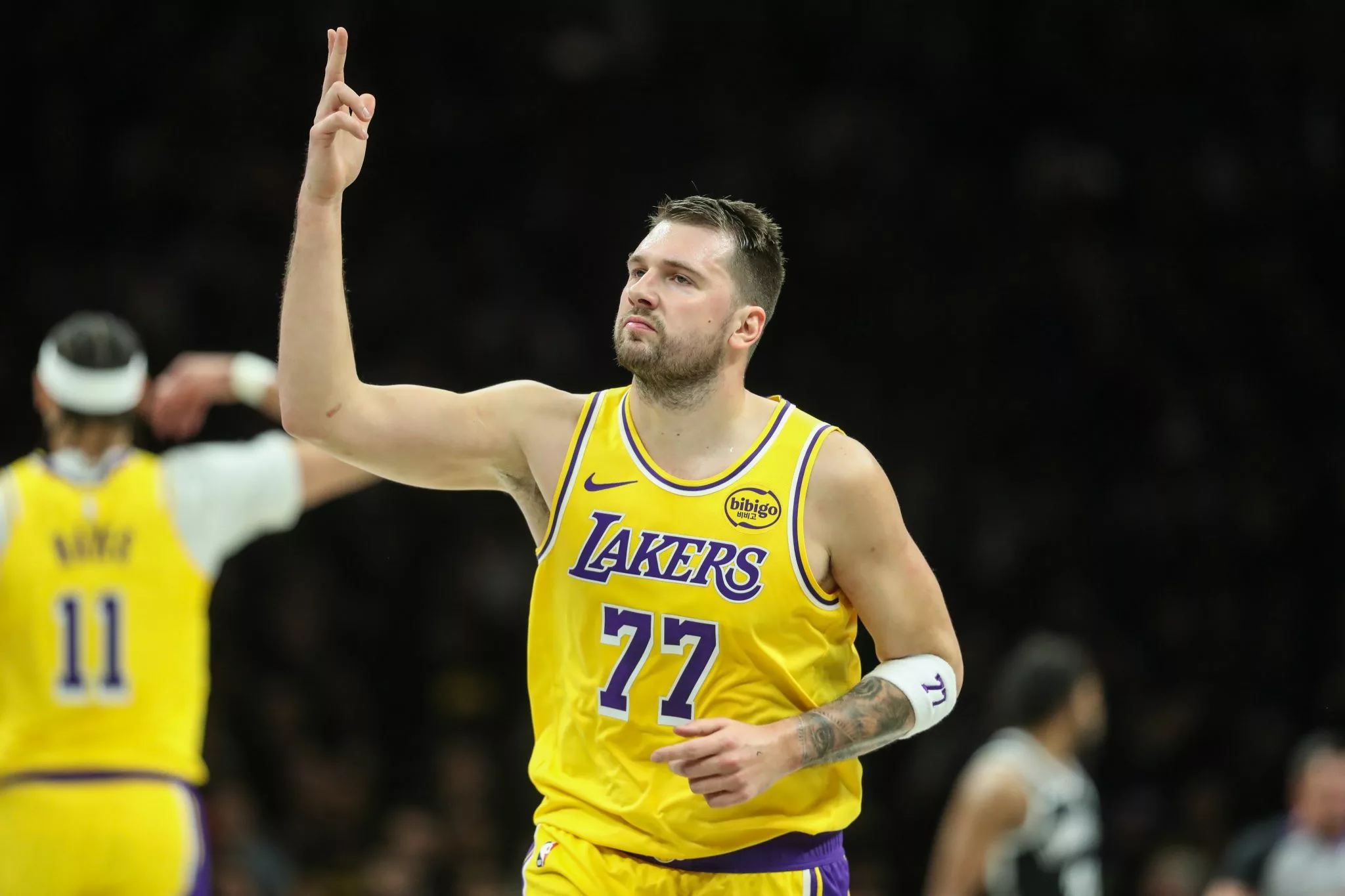
The 2026 NBA All-Star Game isn’t just a showcase — it’s a strategic sprint disguised as entertainment.
For the first time, the NBA has adopted a three-team round-robin format, with USA Stars, USA Stripes, and Team World each playing two 12-minute games. The top two teams advance to a championship final, with point differential serving as the tiebreaker if records are equal.
That format changes everything.
This is no longer a single 48-minute exhibition where talent eventually rises to the top. It’s a condensed, high-variance tournament where:
-
One three-minute scoring drought can eliminate you
-
Late-game shot creators matter more than balance
-
Margin of victory matters just as much as winning
In this structure, betting narratives like “best roster” or “most star power” become secondary. The real edge lies in understanding usage hierarchy, closing equity, and differential incentives.
The public will bet highlights.
We’re betting structure.
Now let’s break down the round-robin games — and where the real EV lives.

NBA All-Star Game Details
- Format: Round-Robin with Three Teams → Top Two Advance to Final
- Date: Sunday, February 15, 2026
- Time: 5:00 PM ET / 2:00 PM PT
- Location: Intuit Dome, Inglewood, CA TV: NBC / Peacock
Game 1 — USA Stars vs. Team World
Odds: World -2.5 (approx) • O/U ~82.5
This opener sets the tone. World enters slightly favored here because of its concentrated scoring hierarchy: Luka Dončić, Nikola Jokić, Victor Wembanyama, Pascal Siakam, Jamal Murray, etc. Most of these players are primary creation engines — ideal for a short sprint game where one-man dominance matters.
USA Stars will rely on balance — but balance can be a double-edged sword in 12-minute contests, where the team with fewer isolation options late often loses the decisive crescendos. Expect World to control late possessions and leverage spacing advantages.
Game 2 — USA Stripes vs. USA Stars
Odds: Stripes -2.5 (approx) • O/U ~83.5
This interior matchup is all about shot-creation priority and closing gravity. Stripes features experience and half-court execution alongside high-usage players like Jalen Brunson, Jaylen Brown, Kevin Durant, Donovan Mitchell, LeBron James, Kawhi Leonard — a mix of veterans who know how to close possessions quickly, especially when a tournament point differential looms.
Stars, by contrast, relies more on balanced scoring, which tends to flatten outcomes in short bursts. Expect Stripes to take control late if the game stays tight through the middle.
Game 3 — USA Stripes vs. Team World
Odds: Stripes -1.5 (approx) • O/U ~83.5
This is the most impactful matchup. Whoever wins here — or covers a small spread — greatly improves their chances of making the championship. Stripes has the closing equity advantage, while World has the pure creation advantage. This is where the round-robin math gets real: a win here almost guarantees a final spot, and point differential often decides seeding.
Game 4 — Championship Final
Based on results, this will likely be either:
-
USA Stripes vs. Team World, or
-
USA Stars vs. Team World
The final game is where the tournament mettle — and scoring gravity — is most necessary.
Top 4 Prop Bets
Prop Bet #1: Luka Dončić Over 28.5 Points (Game 1 or Final)
This environment favors primary creators because defensive intensity is low early but usage is constant. Dončić is the most reliable ISO scorer on Team World and has shown All-Star prowess in past events. With short rotations and minimal defense early, his scoring volume should be high.
Prop Bet #2: Kevin Durant / Jalen Brunson Over 5.5 Assists (Across USA Stripes Game)

Stripes’ offense leans on movement and veteran decision-making, leading to constant assist opportunities. Durant and Brunson both play play-making roles and will see extended minutes in this All-Star structure — particular in matches where point differential matters.
Prop Bet #3: Team World Total Points Over 85.5 (Game 1 or Final)

New DraftKings Customers: Bet $5, Get $200 + 3 Months of NBA League Pass!
World has more high-usage offensive stars whose shot frequency and creation ability are naturally high. In a 12-minute All-Star sprint, scoring rates stay elevated — especially in the opening games before defense picks up. With the top shot creators playing extended minutes, pushing this total is realistic.
The EV Verdict
Best Tournament Play: Team USA Stripes to win tournament (+155) — veteran shot creation and closing experience matter in short bursts.
Game-Specific Plays:
-
Team World covering early spreads
-
High scoring totals and isolated volume bets
-
Star volume props tied to usage more than raw talent
The round-robin format and simplified tiebreaker math create inefficiencies that Vegas and the public don’t fully account for — and that’s where expected value bets lie.