
New York Lawmakers Proposes Prediction Market Tax

Mike Goodpaster Published 24/11/2026

On a day when a federal judge turned down New York's bid to shut down Kalshi, a proposal to tax prediction markets was introduced by a state lawmaker. Monday, New York Attorney General Letitia James failed in her bid to obtain a temporary restraining order to keep Kalshi from offering its event contracts in the state. At the same time, the New York Senate introduced a bill that would regulate prediction markets.
Tax revenue gained from the prediction markets would be going towards funding early childhood education programs in the state, often referred to as pre-kindergarten programs.
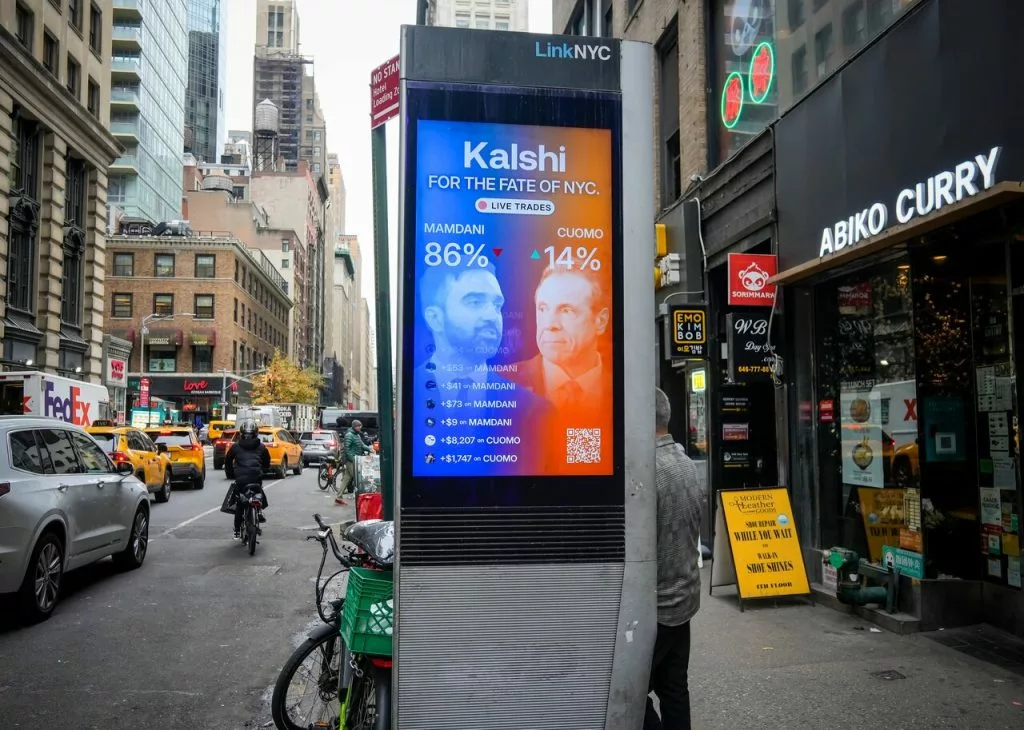
New York would regulate prediction markets
Taxing prediction market sites is just one element of the proposed legislation that was introduced on Monday in front of the New York Senate.
The bill, introduced by Senator Jeremy Cooney, a Democrat from Rochester, would place a 10% surcharge on operators' net trading fee revenue from all New York-based transactions. There would also be an insider trading ban. That would prohibit elected officials and policy advisers from trading on prediction markets.
All prediction market operators would be required to implement age verification software. There would also be the requirement to provide access to protections for customers who wind up struggling with a gambling addiction. If passed, the legislation would grant New York AG James audit power over prediction market companies.
“While everyone is talking about vague campaign-esque promises like tax-the-rich, I believe there’s money on the table right now by not taxing these prediction market companies,” Cooney told Politico's Playbook in an exclusive interview.
Cooney would rather regulate prediction markets than eradicate them
Prediction market sites argue in court that states have no right to regulate them. They are already federally regulated by the Commodity Futures Trading Commission (CFTC). However, Senator Cooney believes that the ability to regulate prediction markets already exists within the New York statutes.
“In New York we have a right to create a standard for consumer protections, and this strengthens consumer protections for New Yorkers who use these exchanges,” Cooney said. He argued that companies such as Uber and Lyft wound up being regulated through state approval. Both companies originally sought to avoid the same regulation that was required to operate a cab.
Cooney also believes that prediction markets aren't going anywhere. He doesn't find it wise to use exhaustive legal methods in an effort to shut them down. Cooney thinks the state should be looking to find a path through which the two can find common ground to co-exist.
“This industry is already existing,," Cooney said. "Millions of New Yorkers use these platforms every day.
"Taking that away wholesale from New Yorkers won’t fly.”
New York fails in its TRO bid
Earlier Monday, New York AG James was defeated in her bid to gain a TRO against prediction market site Kalshi.
Federal Judge Melissa Crane made the ruling. She found that the bid by New York's AG office to gain a TRO against Kalshi was an overreach.
“You’re really seeking the ultimate relief in the case upfront without me even hearing from the defense," Judge Crane said in her ruling, according to reporting by CNN. "It seems to me I’d be reversed in a minute if I issued the full TRO that you want.”
Crane did call on Kalshi to raise its minimum customer age to 21. That would leave it compatible with the New York legal gambling age.