
Congress Weighs Regulating Prediction Market Sports Event Contracts

Mike Goodpaster Published 22/07/2026

The ongoing battle over whether prediction market sports-event contracts are illegal sports betting is again a topic of discussion in front of the U.S. Congress. Congress is debating whether sports-event contracts on prediction markets should continue to fall under the oversight of the Commodity Futures Trading Commission (CFTC). The other option is that they be overseen under the same regulatory guidelines as traditional sports betting.
Federal lawmakers are weighing whether they should become actively involved in determining how to regulate the rapidly burgeoning prediction markets. CFTC leadership is pushing back, insisting that it is already established as the regulator of the prediction market sites.
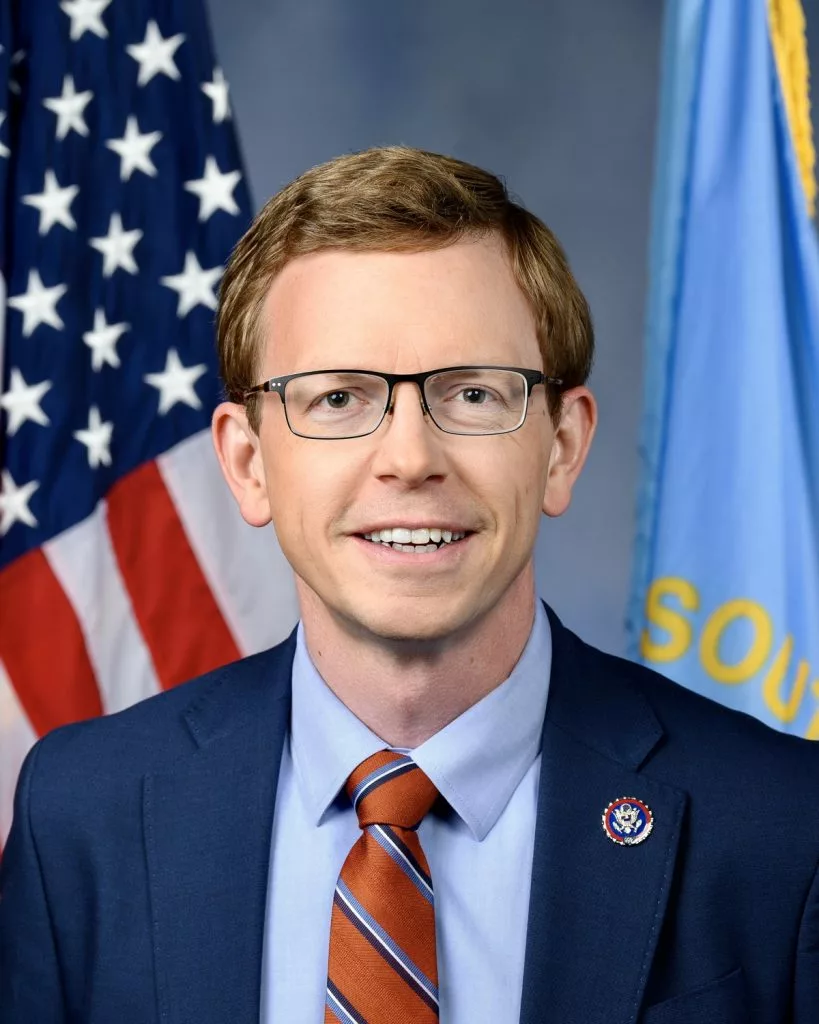
Congress ponders the regulatory status of prediction markets
On Tuesday, the House Committee on Agriculture held a hearing entitled, “Examining Customer Protections and Market Integrity in Sports Event Prediction Markets.” It was an opportunity to examine the growing world of sports-related prediction markets.
"Technology has supercharged the growth of prediction markets," Committee Chair Rep. Dusty Johnson, a Republican from South Dakota, said in a statement. "Today, tens of billions of dollars in transactions occur each month across registered and offshore exchanges.
"They have grown to a size and scope few could have imagined just two years ago. As with many emerging technologies, our laws are being asked to answer questions that were unknown when they were written."
Prediction markets enable players to buy and sell contracts tied to the likelihood of future events. These events can range from politics to economic indicators to weather.
Sports event contracts have changed the landscape of prediction markets
What is causing this explosion in the popularity of prediction markets, and is the crux of the debate that is being fought in courtrooms across the country, is the recent advent of sports-event contracts.
Estimates are that 70% of prediction market trades are now sports-event contracts. In the past month alone, prediction market site Kalshi added 3 million new customers across the USA. That's according to data compiled by the Pew Research Center. The majority of those customers are signing up to participate in sports-event contracts.
A sports-event contract can be as straightforward as choosing a winner or loser in a game. They can also be statistical over/under plays on a player's output in a game.
To state gambling regulators, they sound just like sports betting. That's why these regulators are insisting that, to be offered in their state, operators offering sports-event contracts should be subject to the same regulatory controls as online sports betting sites.
The CFTC counters that sports-event contracts are derivative trades, or swaps.
Congress may end up officiating this dispute
Even those in Congress find this debate to be a confusing scenario.
"To many Americans, these products look a lot like sports betting," Johnson said. "To others, they are innovative financial products that can help aggregate information and provide insight into future events.
"Drawing that line and determining whether our laws and regulators are equipped to do so, is one reason why we are here."
While the CFTC continues to assert that it has complete regulatory control over the prediction markets, others in the industry dispute that notion.
“Sports betting on prediction markets like Kalshi and Polymarket makes a mockery of congressional intent, stripping your constituents of important consumer protections and costing your communities a fortune in lost tax revenue,” Christopher Cykle, senior vice president of government relations for the American Gaming Association, said while appearing at the hearing.
In all likelihood, it will be up to Congress to establish regulatory parameters. Otherwise, both sides will continue fighting this dispute in courtrooms throughout the country.